Updated October 2026
Seminole Heights is inside the City of Tampa, so removing a tree 5 inches or more across needs a city permit, pruning needs one once a tree reaches 24 inches, and Grand Trees of 32 inches or more need public notice. Common jobs are pruning oaks over bungalow roofs, removing declining laurel oaks and dealing with river-lot trees.
Bungalows, oaks and the river
Seminole Heights grew up in the early twentieth century, and its bungalows sit under oaks that are now far bigger than the houses. Lots near the Hillsborough River add slopes, soft ground and trees leaning toward the water.
Our Tampa service office is close by, so booked visits and storm calls reach the neighborhood quickly.
Renovations and additions are common in Seminole Heights, and they put old oak roots at risk. Fencing the root zone, cutting roots cleanly before digging and pruning for equipment clearance keep a valued tree alive through the work.
Small houses, big trees
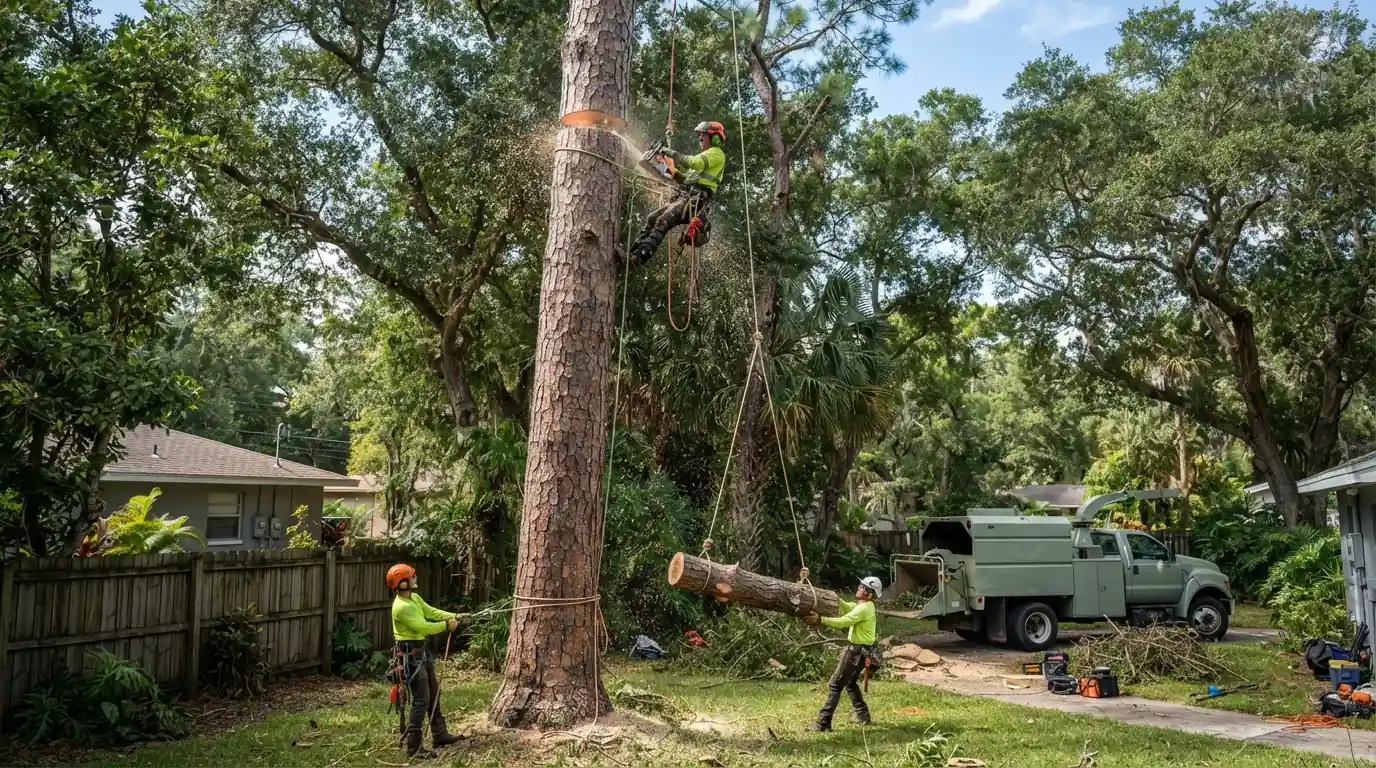
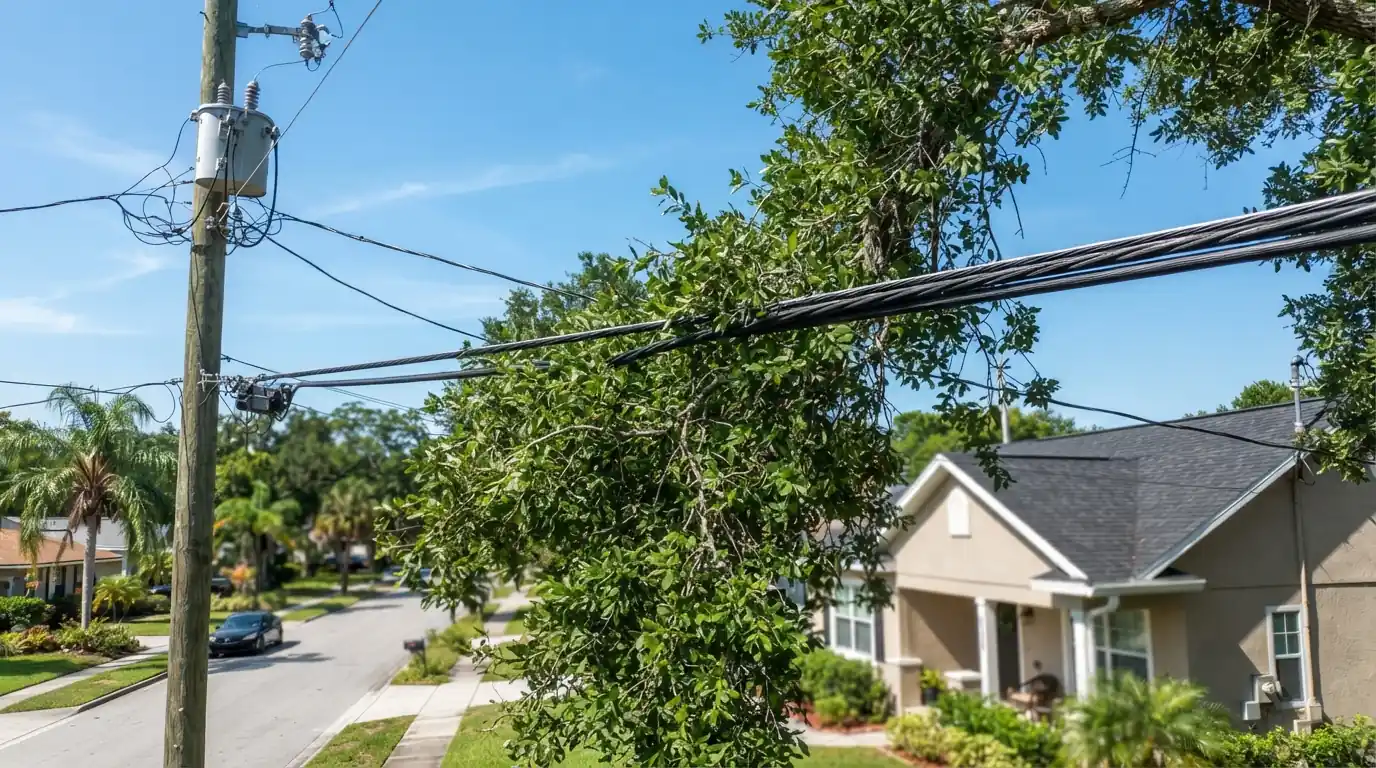
Big live oaks over bungalow roofs need clearance pruning, deadwood removal and thinning so wind passes through. Laurel oaks planted along the streets long ago are the common removals, taken down in small roped sections in tight yards.
Along the river, swamp bays have been dying from laurel wilt, and leaning trees near the water benefit from weight reduction.
City of Tampa rules in Seminole Heights
Seminole Heights is inside the City of Tampa. A permit is required to remove any tree 5 inches DBH or larger except listed invasives, pruning needs a permit once a tree reaches 24 inches, and Grand Trees of 32 inches or more need public notice before removal. Construction-related removals are reviewed under the building permit instead. We confirm what the city needs first.
Most requested in Seminole Heights
Nearby areas we cover
Or see the whole Tampa Bay service area.
Seminole Heights tree questions
Yes, it is inside the city.
Yes, with root zone fencing and root pruning.
Yes, they turn brittle and should come down.
They are reviewed under the building permit.
Yes, with clearance cuts and roped lowering.
Often, with root zone protection from the start.